HVAC Maintenance Checklist for Colorado Homeowners
Use this Colorado HVAC maintenance checklist to reduce breakdowns, improve efficiency, and prepare heating and cooling systems for each season.
Regular HVAC maintenance is one of the simplest ways to improve comfort, reduce breakdowns, and extend the life of your system. In Colorado's climate, where systems work hard through both hot summers and cold winters, maintenance matters more than most homeowners realize.
A thoughtful maintenance approach helps your system run efficiently and gives you a chance to catch small issues before they become expensive problems.
Why HVAC Maintenance Is Especially Important in Colorado
Colorado's wide temperature swings, dry air, and cold winters put added stress on HVAC systems.
Unique Colorado Factors:
- Temperature extremes -- systems must handle 100F summers and sub-zero winters
- Dry air -- can stress components and affect efficiency
- High altitude -- impacts combustion and system performance
- Frequent cycling -- rapid temperature changes mean systems turn on and off more often
- Wildfire smoke -- can clog filters and damage components
- Low humidity -- affects comfort and can strain equipment
Dust, low humidity, and frequent system cycling can all impact performance over time, especially if maintenance is skipped.
When maintenance is neglected, small issues compound quickly. What could have been a $50 filter replacement becomes a $500 repair, or worse, a full system failure during the coldest week of winter.
Basic Maintenance Homeowners Can Do
Some simple steps can make a real difference between professional service visits:
Regular Filter Changes
How Often:
- Standard 1" filters: Every 1-2 months
- Thicker pleated filters: Every 2-3 months
- High-efficiency filters: Every 3-6 months (follow manufacturer guidance)
- During wildfire season: Check monthly and replace as needed
Why It Matters:
- Dirty filters reduce airflow by 30-50%
- Restricted airflow makes systems work harder
- Reduced efficiency means higher energy bills
- Can cause overheating and premature component failure
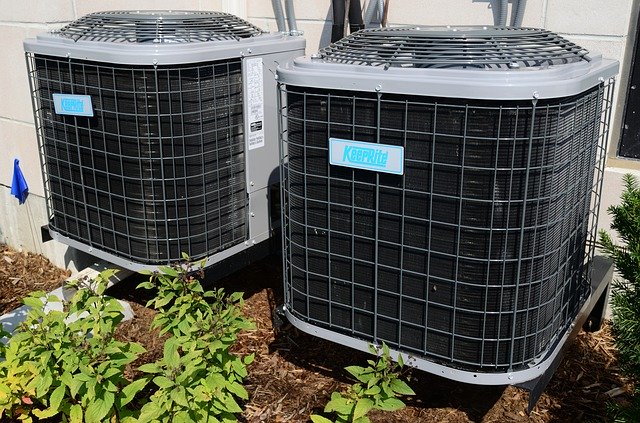
Keep Outdoor Units Clear
What To Do:
- Remove leaves, grass clippings, and debris regularly
- Trim vegetation to maintain 2-3 feet of clearance around the unit
- Clear snow away from heat pump outdoor units in winter
- Ensure adequate airflow around all sides
- Hose off dust and cottonwood seeds (gently, top to bottom)
Why It Matters: Blocked outdoor units can't release or absorb heat properly, which drastically reduces efficiency and can lead to compressor failure.
Ensure Proper Airflow
What To Check:
- Supply and return vents aren't blocked by furniture, curtains, or rugs
- All vents are open (closing too many vents can damage your system)
- Registers are clean and dust-free
- Dampers in ductwork are correctly positioned for the season
Why It Matters: Your HVAC system is designed for specific airflow patterns. Blocking vents forces the system to work harder and can cause uneven temperatures throughout your home.
Monitor System Performance
Pay attention to:
- Unusual noises -- grinding, squealing, banging, or rattling
- Strange odors -- burning smells, musty odors, or gas
- Performance changes -- weak airflow, inconsistent temperatures
- Cycling patterns -- system turning on and off frequently (short cycling)
- Energy bills -- sudden unexplained increases
Why It Matters: Early detection of problems saves money. A strange noise today could be a $200 repair. Ignored, it could become a $2,000 system failure.
Seasonal Transitions
Spring (switching to cooling):
- Replace filter before first use
- Clean outdoor unit
- Test AC before you need it
- Check thermostat batteries
Fall (switching to heating):
- Replace filter before first use
- Clear area around furnace
- Test heating before cold weather arrives
- Check carbon monoxide detectors
These basic habits help your system operate more efficiently and reduce unnecessary wear.
Professional Maintenance That Shouldn't Be Skipped
Annual professional maintenance goes beyond basic filter changes.
What Professional Maintenance Includes
A comprehensive service visit typically includes:
Electrical System:
- Inspecting electrical components and connections
- Testing voltage and amperage on all motors
- Checking capacitors and contactors for wear
- Verifying proper wire connections
- Testing safety controls and sensors
Mechanical Components:
- Lubricating motors and moving parts
- Checking belt tension and condition
- Inspecting fan blades and motors
- Verifying proper operation of all components
- Testing compressor function
Refrigerant System (Cooling/Heat Pumps):
- Checking refrigerant levels and pressures
- Inspecting for leaks
- Verifying proper system charge
- Testing temperature differential across coils
- Ensuring optimal cooling/heating performance
Airflow and Combustion:
- Verifying proper airflow throughout the system
- Measuring static pressure in ductwork
- Testing combustion efficiency (gas systems)
- Inspecting heat exchangers for cracks or damage
- Checking venting and exhaust systems
Cleaning Critical Components:
- Cleaning evaporator and condenser coils
- Clearing condensate drain lines
- Removing dust and debris from blower assemblies
- Cleaning burners (gas systems)
- Inspecting and cleaning outdoor unit fins
System Performance:
- Testing thermostat calibration and operation
- Verifying proper startup and shutdown sequences
- Measuring temperature output
- Checking for proper defrost cycles (heat pumps)
- Identifying early signs of wear or potential failure
Why Professional Maintenance Matters
Professional technicians can:
- Spot problems you can't see
- Use specialized tools to test system performance
- Identify safety issues like gas leaks or cracked heat exchangers
- Maintain manufacturer warranty requirements
- Extend system lifespan by 5-10 years
- Prevent 75-90% of unexpected breakdowns
Annual professional maintenance typically costs $150-300 per system. Compare that to the average emergency repair cost of $500-2,000, and it's clear that preventive maintenance pays for itself.
Maintenance for High-Efficiency Systems and Heat Pumps
High-efficiency HVAC systems and heat pumps benefit significantly from regular maintenance.
Why High-Efficiency Systems Need More Care
Advanced Technology:
- Variable-speed motors require proper calibration
- Modulating systems have more complex controls
- Communication boards need to be monitored
- Sensors must remain accurate for optimal performance
Efficiency Preservation:
- High-efficiency systems lose more efficiency when neglected
- Even small problems can significantly impact performance
- Maintaining peak efficiency requires precision tuning
- Rebates and warranties often require professional maintenance
Heat Pump-Specific Maintenance
Additional Considerations:
- Defrost cycle operation must be verified
- Reversing valve needs testing
- Both heating and cooling modes require attention
- Winter operation requires special attention in Colorado
- Refrigerant levels are critical year-round
Because these systems rely on precise controls and advanced components, keeping them properly tuned helps preserve efficiency, comfort, and reliability year-round.
Seasonal Maintenance Schedule for Colorado
Spring Maintenance (April-May)
- Replace air filter
- Clean outdoor unit thoroughly
- Schedule professional AC tune-up
- Test cooling before hot weather
- Check and clean condensate drain
- Inspect ductwork for leaks
- Test thermostat operation
Summer Monitoring (June-August)
- Check air filter monthly
- Keep outdoor unit clear of debris
- Monitor energy usage
- Watch for ice on refrigerant lines
- Ensure even cooling throughout home
Fall Maintenance (September-October)
- Replace air filter
- Schedule professional heating tune-up
- Test carbon monoxide detectors
- Inspect venting and exhaust
- Check humidifier (if equipped)
- Clear area around furnace
- Test heating before cold weather
Winter Monitoring (November-March)
- Check air filter monthly
- Keep snow away from outdoor units (heat pumps)
- Monitor heating performance
- Watch for ice buildup on heat pumps
- Ensure even heating throughout home
Our Approach at Peak Comfort
We tailor maintenance recommendations to your specific system, home layout, and how you actually use your space.
Our Maintenance Philosophy:
System-Specific Service:
- Different systems have different needs
- We adjust our approach based on your equipment
- Heat pumps, furnaces, and hybrid systems each get specialized attention
- High-efficiency systems receive precision tuning
Colorado-Focused:
- We understand altitude effects on combustion
- We know how dry air affects systems
- We're experienced with wildfire season impacts
- We design maintenance around Colorado's seasonal demands
Honest Recommendations:
- We'll tell you when problems are developing
- We explain what's urgent and what can wait
- We prioritize safety and reliability
- We never upsell unnecessary services
Whether you have a traditional system or a high-efficiency heat pump, our goal is to help your equipment perform reliably in Colorado's demanding climate.
What's Included in Our Tune-Ups:
- Complete safety inspection
- Comprehensive system testing
- Cleaning of critical components
- Performance optimization
- Detailed service report
- Recommendations for any issues found
- No-obligation cost estimates for repairs
Maintenance isn't about selling repairs -- it's about protecting your comfort and your investment.
The True Cost of Maintenance vs. Neglect
Annual Maintenance Investment:
- Professional tune-ups (2 per year): $300-500
- Filter replacements: $100-200
- Total annual cost: $400-700
Cost of Neglected Maintenance:
- Average emergency repair: $500-2,000
- Efficiency loss: 5% per year without maintenance
- Additional energy costs: $200-500 per year
- Shortened system lifespan: 5-10 years earlier replacement
- Premature replacement cost: $5,000-15,000
The bottom line: Regular maintenance costs about $50-60 per month but can save thousands in repairs and premature replacements.
Maintenance Plans vs. One-Time Service
Benefits of a Maintenance Plan:
Cost Savings:
- Lower per-visit cost than one-time service
- Discounts on repairs (typically 10-15%)
- Priority scheduling
- No overtime charges for emergencies
Better Service:
- Consistent technician who knows your system
- Automatic scheduling -- you don't have to remember
- Detailed service history maintained
- Faster diagnosis when problems occur
Peace of Mind:
- Extended warranty protection
- Fewer unexpected breakdowns
- Better system performance
- Lower energy bills
The Bottom Line
Routine HVAC maintenance helps prevent surprises, improve efficiency, and extend system life.
In Colorado, a proactive approach to maintenance can make a noticeable difference in comfort and long-term costs.
The difference between a well-maintained system and a neglected one:
- Lifespan: 20+ years vs. 10-12 years
- Efficiency: Maintains original performance vs. loses 5% annually
- Reliability: Rare breakdowns vs. frequent emergency calls
- Comfort: Consistent temperatures vs. hot/cold spots
- Cost: Predictable vs. expensive surprises
At Peak Comfort
We work with homeowners to create practical maintenance plans that keep systems running smoothly year after year.
Our approach is straightforward: honest assessment of your system's condition, clear explanation of what needs attention, fair pricing with no hidden fees, quality work by experienced technicians, and responsive service when you need it.
We're not a high-pressure sales operation. We're Colorado HVAC professionals who care about doing the job right and building long-term relationships with homeowners.
Ready to protect your HVAC investment? Contact Peak Comfort to schedule a maintenance visit or learn about our comprehensive maintenance plans. We'll keep your system running efficiently and catch potential problems before they become expensive emergencies.
About the Author
Cole Harter
Co-Owner, Peak Comfort
Cole focuses on customer education, service planning, and practical HVAC recommendations built for Colorado homeowners.