
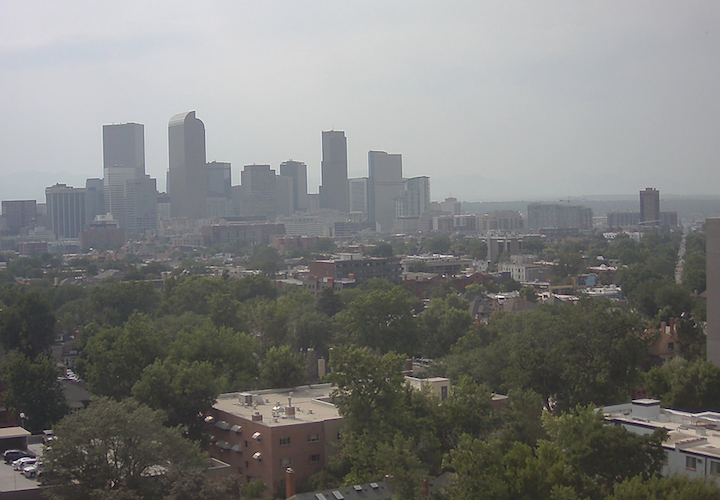
Improving Indoor Air Quality in Colorado Homes
Indoor air quality plays a major role in comfort, health, and well-being. Learn how to address Colorado's unique air quality challenges and create a healthier home.
Indoor air quality plays a major role in comfort, health, and overall well-being, especially in Colorado where homes are often sealed tightly to handle cold winters and hot summers.
Many homeowners are surprised to learn that indoor air can be more polluted than outdoor air, particularly during winter months when homes stay closed up for long periods.
Why Indoor Air Quality Matters in Colorado
Colorado's dry climate, frequent temperature swings, and wildfire smoke events all affect indoor air quality.
Colorado-Specific Challenges:
- Extreme dryness -- winter humidity levels can drop below 15%, well below the 30-50% ideal range
- Wildfire smoke -- increasingly common during summer months
- High altitude -- affects both comfort and air quality
- Sealed homes -- energy-efficient construction limits fresh air exchange
- Temperature extremes -- homes stay closed up more often than moderate climates
- Dust and allergens -- dry conditions create more airborne particles
Low humidity can cause discomfort and irritation, while dust, allergens, and outdoor smoke can accumulate indoors without proper ventilation and filtration.
Health Impacts of Poor Indoor Air Quality:
- Respiratory irritation and breathing difficulties
- Dry skin, eyes, and sinuses
- Increased allergies and asthma symptoms
- Poor sleep quality
- Headaches and fatigue
- Static electricity (minor but annoying)
- Increased susceptibility to illness
For many Colorado homeowners, addressing indoor air quality isn't just about comfort -- it's about health.
Common Indoor Air Quality Challenges
Colorado homeowners often deal with:
Dry Indoor Air During Winter
The Problem:
- Outdoor air is already dry
- Heating systems further reduce humidity
- Indoor humidity can drop to 10-20%
- Causes discomfort and health issues
Symptoms:
- Dry, itchy skin
- Chapped lips
- Static electricity
- Cracking wood furniture
- Bloody noses
- Increased susceptibility to colds
Dust and Allergens
Common Culprits:
- Pet dander
- Dust mites
- Pollen (year-round in Colorado)
- Dirt and debris tracked indoors
- Construction dust from nearby development
Impact:
- Constant sneezing and congestion
- Eye irritation
- Difficulty breathing
- Reduced sleep quality
- Increased cleaning required
Lingering Odors and Stale Air
Sources:
- Cooking
- Pets
- Moisture and mildew
- Cleaning products
- Off-gassing from furniture and materials
Why It Matters: Stale air indicates lack of fresh air exchange, which means pollutants are accumulating instead of being diluted with fresh outdoor air.
Wildfire Smoke and Fine Particles
During Smoke Events:
- Extremely fine particles (PM2.5) penetrate indoors
- Can persist for days or weeks during fire season
- Even "mild" smoke can cause health issues
- Standard air filters don't capture these particles effectively
Health Concerns:
- Respiratory irritation even for healthy individuals
- Dangerous for those with asthma or heart conditions
- Can affect children and elderly more severely
Uneven Airflow
Common Issues:
- Hot and cold spots
- Some rooms feel stuffy while others are comfortable
- Poor air circulation
- Inadequate ventilation in certain areas
These issues can impact comfort, sleep quality, and respiratory health throughout your home.
Solutions That Can Make a Difference
Improving indoor air quality doesn't require a single one-size-fits-all solution.
Depending on your home and needs, effective options may include:
High-Efficiency Air Filtration
Why It Matters: Your HVAC system filters air every time it cycles. Better filters mean cleaner air.
Filter Options:
- MERV 8-10: Basic protection, removes large particles
- MERV 11-13: Enhanced protection, captures most allergens and fine dust
- MERV 16+ or HEPA: Hospital-grade filtration, removes 99% of airborne particles
For Colorado Homes:
- Minimum MERV 11 recommended year-round
- MERV 13 or higher during wildfire season
- Replace more frequently during high-pollen or smoke periods
Benefits:
- Reduces dust throughout the home
- Captures allergens and pet dander
- Removes wildfire smoke particles (with appropriate MERV rating)
- Cleaner HVAC equipment (extends system life)
Whole-Home Humidifiers
Why Colorado Needs Them: Dry winter air is one of the most noticeable air quality issues in Colorado homes.
How They Work:
- Integrate directly with your HVAC system
- Add moisture to heated air before it circulates
- Automatic operation based on humidity settings
- Even distribution throughout the home
Benefits:
- Maintains comfortable 30-40% humidity levels
- Reduces static electricity
- Prevents dry skin and respiratory irritation
- Protects wood furniture and flooring
- Makes home feel warmer (allowing lower thermostat settings)
- Better sleep quality
Types:
- Bypass humidifiers (most common)
- Fan-powered humidifiers (more output)
- Steam humidifiers (highest output, faster response)
Ventilation Systems
The Challenge: Modern, energy-efficient homes are sealed tightly -- which is great for energy bills but limits fresh air exchange.
Solutions:
Energy Recovery Ventilators (ERV):
- Bring fresh outdoor air inside
- Exhaust stale indoor air
- Transfer heat and moisture between airstreams
- Maintain efficiency while providing fresh air
- Ideal for Colorado's dry climate
Heat Recovery Ventilators (HRV):
- Similar to ERV but transfers only heat (not moisture)
- Best for homes with humidity issues
- Less common in Colorado due to dry climate
Benefits of Proper Ventilation:
- Dilutes indoor pollutants
- Removes cooking odors and VOCs
- Controls moisture and condensation
- Reduces CO2 levels
- Provides continuous fresh air without opening windows
Air Purification Solutions
Options:
UV Air Purifiers:
- Install in ductwork near air handler
- Kill bacteria, viruses, and mold spores
- Low maintenance (bulb replacement annually)
- Particularly useful during cold/flu season
Whole-Home Air Purifiers:
- Advanced filtration integrated with HVAC
- Remove particles, odors, and VOCs
- More effective than portable units
- Clean air throughout entire home
Portable Air Purifiers:
- Good for individual rooms (bedrooms, home offices)
- Budget-friendly option
- Useful during wildfire events
- Supplement whole-home solutions
Ionization Systems:
- Release ions that attach to particles
- Particles become heavier and settle out of air
- Reduce airborne allergens and contaminants
Benefits:
- Target specific air quality concerns
- Effective during wildfire season
- Reduce airborne illness transmission
- Remove odors and VOCs
Indoor Air Quality and High-Efficiency HVAC Systems
Modern high-efficiency HVAC systems and heat pumps are designed to support better indoor air quality.
How Modern Systems Help:
Advanced Airflow Control:
- Variable-speed fans provide consistent air circulation
- Better air mixing eliminates stale pockets
- More even temperatures reduce comfort issues
- Quieter operation allows for continuous fan use
Filtration Compatibility:
- Designed to accommodate higher-efficiency filters
- Better airflow design prevents strain from dense filters
- Larger filter surfaces for longer intervals between changes
Integration with IAQ Accessories:
- Compatible with humidifiers, purifiers, and ventilators
- Smart controls coordinate all components
- Optimized performance of entire system
Heat Pump Advantages:
- Continuous air circulation (no downtime between heating/cooling cycles)
- Better humidity control in cooling mode
- Quieter operation means you can run the fan constantly
Proper airflow, advanced filtration, and compatible air quality accessories all work together to improve comfort and air cleanliness throughout the home.
Practical Steps Homeowners Can Take
Immediate Actions (Free or Low-Cost):
Upgrade Your Air Filter:
- Switch from MERV 8 to MERV 11 or 13
- Costs $30-50 per filter
- Replace every 1-3 months
- Significant improvement in air quality
Improve Ventilation Habits:
- Open windows briefly on mild days (even in winter)
- Use exhaust fans when cooking
- Run bathroom fans during and after showers
- Create cross-ventilation when possible
Reduce Indoor Pollutant Sources:
- Choose low-VOC cleaning products
- Take shoes off at the door
- Groom pets regularly outdoors
- Use exhaust when cooking
- Avoid aerosol sprays and air fresheners
Control Dust:
- Vacuum regularly with HEPA filter vacuum
- Dust with damp cloths (prevents re-suspension)
- Wash bedding in hot water weekly
- Reduce clutter (dust collectors)
Medium-Term Improvements:
Whole-Home Humidifier:
- Investment: $500-1,500 installed
- Dramatic improvement in winter comfort
- Addresses Colorado's most common air quality complaint
Smart Thermostat with Humidity Control:
- Investment: $200-500
- Monitors and adjusts humidity automatically
- Provides air quality insights
- Optimizes system operation
Professional Duct Cleaning:
- Investment: $400-1,000
- Removes accumulated dust and debris
- Improves airflow
- Recommended every 3-5 years
Long-Term Solutions:
Ventilation System (ERV/HRV):
- Investment: $2,000-5,000
- Provides continuous fresh air
- Maintains energy efficiency
- Addresses root cause of poor air quality
Whole-Home Air Purification:
- Investment: $1,000-3,000
- Comprehensive air cleaning
- Particularly valuable during wildfire season
- Reduces allergens and illnesses
Wildfire Season Strategies
Before Wildfire Season:
- Stock up on MERV 13+ filters
- Clean or service HVAC system
- Identify and seal air leaks
- Have portable air purifiers ready
- Download air quality monitoring apps
During Poor Air Quality Events:
- Keep all windows and doors closed
- Set HVAC fan to "on" (continuous operation)
- Use highest-rated filters your system can handle
- Run portable air purifiers in bedrooms
- Create a "clean room" with best filtration
- Minimize outdoor activities
- Check AQI (Air Quality Index) daily
After Smoke Events:
- Replace air filters immediately
- Clean or hose off outdoor AC unit
- Vacuum and dust thoroughly
- Wipe down surfaces
- Continue monitoring for lingering effects
Our Approach at Peak Comfort
We start by understanding how your home is used and what air quality concerns matter most to you.
Our Process:
Assessment:
- Discuss your specific concerns and symptoms
- Evaluate current HVAC system capabilities
- Review home characteristics (size, layout, tightness)
- Consider budget and priorities
Recommendations:
- Present practical, proven solutions
- Explain benefits and costs clearly
- Prioritize based on your specific needs
- Provide options at different price points
Implementation:
- Professional installation of recommended equipment
- Integration with existing HVAC system
- Testing and adjustment for optimal performance
- Education on operation and maintenance
From there, we recommend practical, proven solutions that fit your space and Colorado's climate.
Our focus is on improving comfort and air quality without overcomplicating or overselling the solution.
What We Don't Do:
- Push unnecessary equipment
- Use scare tactics about air quality
- Recommend one-size-fits-all solutions
- Oversell complex systems when simple solutions work
We believe in right-sized solutions that actually address your concerns without breaking the bank.
The Bottom Line
Good indoor air quality is essential for a comfortable and healthy home.
In Colorado, addressing dryness, filtration, and ventilation can make a noticeable difference year-round.
The impact of improved air quality:
- Better sleep and reduced fatigue
- Fewer allergy and asthma symptoms
- Less frequent illness
- More comfortable home environment
- Protection during wildfire events
- Peace of mind about your family's health
Most homeowners who address air quality issues notice improvements within days -- better sleep, less congestion, more comfortable breathing.
At Peak Comfort
We help homeowners create cleaner, healthier indoor environments tailored to their home and lifestyle.
Whether you're dealing with dry winter air, wildfire smoke concerns, allergies, or general air quality issues, we can help you identify practical solutions that make a real difference.
Ready to breathe easier at home? Contact Peak Comfort for a free indoor air quality consultation. We'll discuss your concerns, assess your home's current situation, and recommend proven solutions that fit your needs and budget. No high-pressure sales, just honest guidance from people who understand Colorado's unique air quality challenges.
About the Author
Morgan Shaffer
Co-Owner and HVAC Specialist, Peak Comfort
Morgan specializes in high-efficiency systems, heat pumps, and field-proven HVAC solutions for Front Range weather.
References
APA style citations for sources used in this article.
- U.S. Environmental Protection Agency. (n.d.). Guide to air cleaners in the home. https://www.epa.gov/indoor-air-quality-iaq/guide-air-cleaners-home Source