
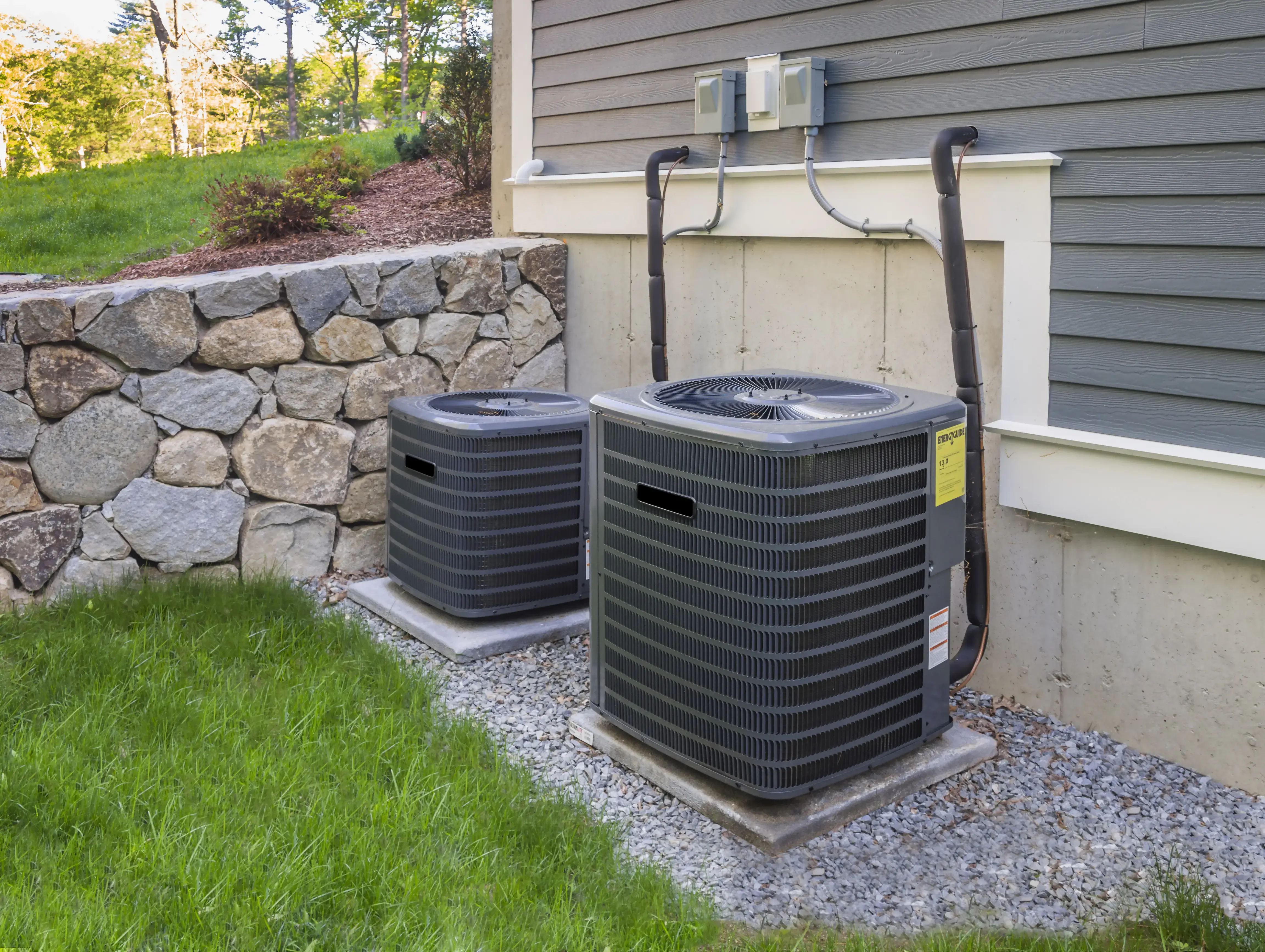
Real Cost of Installing a Heat Pump in Colorado (After Rebates)
Updated October 12, 2026.
See realistic Colorado heat pump installation costs after rebates, including mini split, ducted, and central system price factors.
If you have started collecting heat pump quotes in Colorado, you have probably seen how fast the numbers can spread out. One proposal may look manageable, another may feel shockingly high, and neither one tells you much until you understand what is actually included and which rebates apply.
That is the part many homeowners miss. The real cost of a heat pump is not just the equipment price. It is the installed project cost, plus any electrical or duct changes, minus the incentives you actually qualify for.
Here is how to think about the number in a way that is practical, current, and useful for Colorado homeowners in 2026.
Why Heat Pump Quotes Vary So Much
Two heat pump quotes can be thousands of dollars apart without either contractor doing anything dishonest.
That is because the total price may include very different scopes of work, such as:
- Cold-climate equipment versus standard equipment
- One indoor unit versus several indoor heads
- Reuse of existing ductwork versus duct repairs or redesign
- Electrical upgrades, disconnects, breakers, or panel work
- Refrigerant line routing and condensate management
- Controls, thermostats, commissioning, and permit costs
In Colorado, project scope matters even more because the right system often needs to be selected for heating performance, not just summer cooling. The U.S. Department of Energy also notes that proper installation, airflow, refrigerant charge, and equipment selection are critical to actual performance.
What a Whole Project Price Usually Includes
When a contractor gives you a full heat pump proposal, you are usually paying for more than an outdoor unit and an air handler.
Most complete installations include:
- The outdoor condenser and indoor air handler, or indoor minisplit heads
- Refrigerant lines, control wiring, and condensate drainage
- Startup, charging, testing, and commissioning
- Thermostat or control integration
- Permit and inspection coordination
- Labor to remove old equipment and install the new system
Some projects also include items that can move the price up fast:
- Duct sealing or duct modifications
- Electrical service changes
- Pad, stand, or mounting work for the outdoor unit
- Multiple indoor zones for a minisplit system
- Backup heat strategy, if the house needs it
This is why the cheapest online equipment number is almost never the number a homeowner actually pays.
What Public Cost Guides Suggest
Public consumer cost guides are broad, but they help frame the conversation.
Forbes Home reports that air-source heat pump installation can range from about $3,000 to $11,000 nationally, while ductless mini-split heat pump installations can range from about $1,500 to $8,000 depending on the number of units required. Forbes also notes that Denver-area unit costs trend higher than some warmer markets, which matches what many Colorado homeowners already suspect: colder-climate projects and larger homes tend to push costs upward.
That does not mean every Colorado homeowner will pay above those ranges, and it does not mean those figures are a quote. It does mean you should expect the final installed cost to depend heavily on house layout, existing infrastructure, and how many comfort zones you want to control.
Where Rebates Change the Math
Rebates and discounts are where the sticker price can stop being the real price.
Here are the main Colorado programs that can materially affect a heat pump project in 2026:
HEAR rebates
HEAR is income-qualified and requires approved work through a registered program contractor. Do not treat an advertised maximum or an earlier Front Range funding announcement as an approved discount for your project. Confirm the current reservation status, eligible equipment, and approved amount before work starts. The Colorado Energy Office FAQ explains the application and contractor process.
Colorado Heat Pump Tax Credit discount
Colorado's Heat Pump Tax Credit is not something the homeowner files separately after installation. It is claimed by a registered contractor, and part of that value must be passed through as an upfront discount. For a 2026 air-source heat pump installation, the minimum required customer discount is $333.
Efficiency Works
For Northern Colorado homeowners, Efficiency Works offers rebates and bonuses for qualifying retrofit measures, including HVAC systems and insulation or air sealing work. Depending on the project, those incentives can lower upfront cost further.
Its current $2,000 bundling bonus requires eligible heat pump and envelope measures through the Retrofit Rebate program, completed within six months of each other. A heat pump alone does not establish that bonus. Check the utility territory, participating provider, timing, and available funding against Efficiency Works' current rules.
Xcel Energy and expired federal credits
For qualifying Xcel customers, use our rebate guide effective October 1, 2026 to distinguish standard rates from totals including bonus. Do not assume every Northern Colorado utility follows Xcel's schedule.
The IRS Section 25C credit ended for equipment placed in service after December 31, 2025. It should not appear as a future $2,000 deduction in a new 2026 heat pump budget.
The most important takeaway is simple: the installed price on page one is not the number you should compare. The net price after verified incentives is the number that matters.
Example Breakdown: Separate Confirmed Discounts From Assumptions
This is where homeowners start to see why heat pump pricing can feel confusing.
Use this hypothetical eligible air-source project, not an actual Peak Comfort quote or incentive approval:
- Cold-climate heat pump system and installation: $17,000
- Colorado Heat Pump Tax Credit minimum contractor discount: -$333
- Cost before any separately approved utility or income-qualified rebate: $16,667
If a utility or HEAR amount is approved for the project, show it as another line item. Do not subtract a possible maximum or a bundled-work bonus that the quoted scope does not qualify for.
But there are two important catches.
First, not every homeowner qualifies for HEAR. Second, not every project will qualify for every additional local incentive, and contractors should confirm whether programs can be combined on the exact scope of work you are considering.
The real answer depends on approved eligibility, utility territory, equipment choice, and whether the project needs extra electrical or distribution work. Keep the gross scope and the incentive assumptions visible rather than leading with an unverified net price.
Mini-Split vs. Central Heat Pump Cost in Colorado
This is one of the most common questions we hear, and the wrong answer is to assume mini-split always means cheaper.
Sometimes it does. Sometimes it does not.
When a mini-split usually costs less
The U.S. Department of Energy points out that ductless mini-splits are often a strong fit for homes without ductwork, additions, and spaces where running new ducts is not practical. A one-zone or two-zone minisplit can be a very efficient way to solve a specific comfort problem without rebuilding a whole system.
In those cases, a mini-split often has the lower upfront cost.
When central can make more sense
If your home already has good ductwork and you want whole-home heating and cooling from a single integrated system, a central ducted heat pump may be the better value. ENERGY STAR notes that air-source heat pumps can connect to the conventional forced-air ductwork that is already common in many homes.
That can simplify comfort across the whole house, improve aesthetics, and reduce the number of visible indoor units.
Where homeowners misread the comparison
The biggest mistake is comparing a one-zone mini-split price to a whole-home central system price.
A single mini-split head may be the cheaper project. A multi-zone minisplit system serving most or all of the home can climb quickly once you add indoor heads, line sets, electrical work, and installation labor.
That means the better question is not "Which one is cheaper?"
It is "Which one solves the house correctly for the least total cost?"
How to Compare Quotes the Right Way
If you are trying to compare real cost, ask every contractor the same five questions:
- What equipment is included, and is it a matched cold-climate system?
- What electrical, duct, or control work is included in the quote?
- Which rebates are already built into the proposal, and which are only potential?
- Are the incentives shown as separate line items on the quote?
- What changes if the house needs additional duct or panel work after inspection?
That is how you avoid comparing an incomplete quote against a complete one.
The Bottom Line
The real cost of installing a heat pump in Colorado is not just the gross project total. It is the scope of work your house actually needs, minus the incentives you truly qualify for.
For some homeowners, that still means a five-figure project. For others, especially on income-qualified or utility-supported projects, the final number can fall much lower than expected.
If you are comparing mini-split versus central, do not focus only on the top-line number. Focus on how many rooms need conditioning, whether the house already has usable ductwork, and which rebate path fits the project best.
At Peak Comfort
We help homeowners across Northern Colorado break down heat pump proposals into plain language: equipment, labor, scope, rebates, and what the final number actually looks like.
If you want to know whether your project is closer to a modest mini-split install or a larger whole-home system, we can help you price it honestly and evaluate which incentives are realistically on the table. No pressure, just a clear breakdown of the real cost.
Explore our Northern Front Range heat pump installation and repair services, then request a project and rebate assessment with your utility provider, current heating fuel, and the equipment scope you are considering.
About the Author
Cole Harter
Co-Owner, Peak Comfort
Cole focuses on customer education, service planning, and practical HVAC recommendations built for Colorado homeowners.
References
APA style citations for sources used in this article.
- Internal Revenue Service. (n.d.). Energy efficient home improvement credit. Source
- Colorado Energy Office. (n.d.). Colorado Heat Pump Tax Credits. https://energyoffice.colorado.gov/hptc Source
- Colorado Energy Office. (n.d.). Colorado Home Energy Rebate Program frequently asked questions. Source
- Efficiency Works. (2026). Rebates and incentives. https://efficiencyworks.org/for-your-home-rebates-and-incentives/ Source
- U.S. Department of Energy. (n.d.). Air-source heat pumps. https://www.energy.gov/energysaver/air-source-heat-pumps Source
- U.S. Department of Energy. (n.d.). Ductless minisplit heat pumps. https://www.energy.gov/energysaver/ductless-minisplit-heat-pumps Source
- Bonk, L. (2024, December 3). How much does heat pump installation cost? Forbes Home. https://www.forbes.com/home-improvement/hvac/heat-pump-installation-cost/ Source