
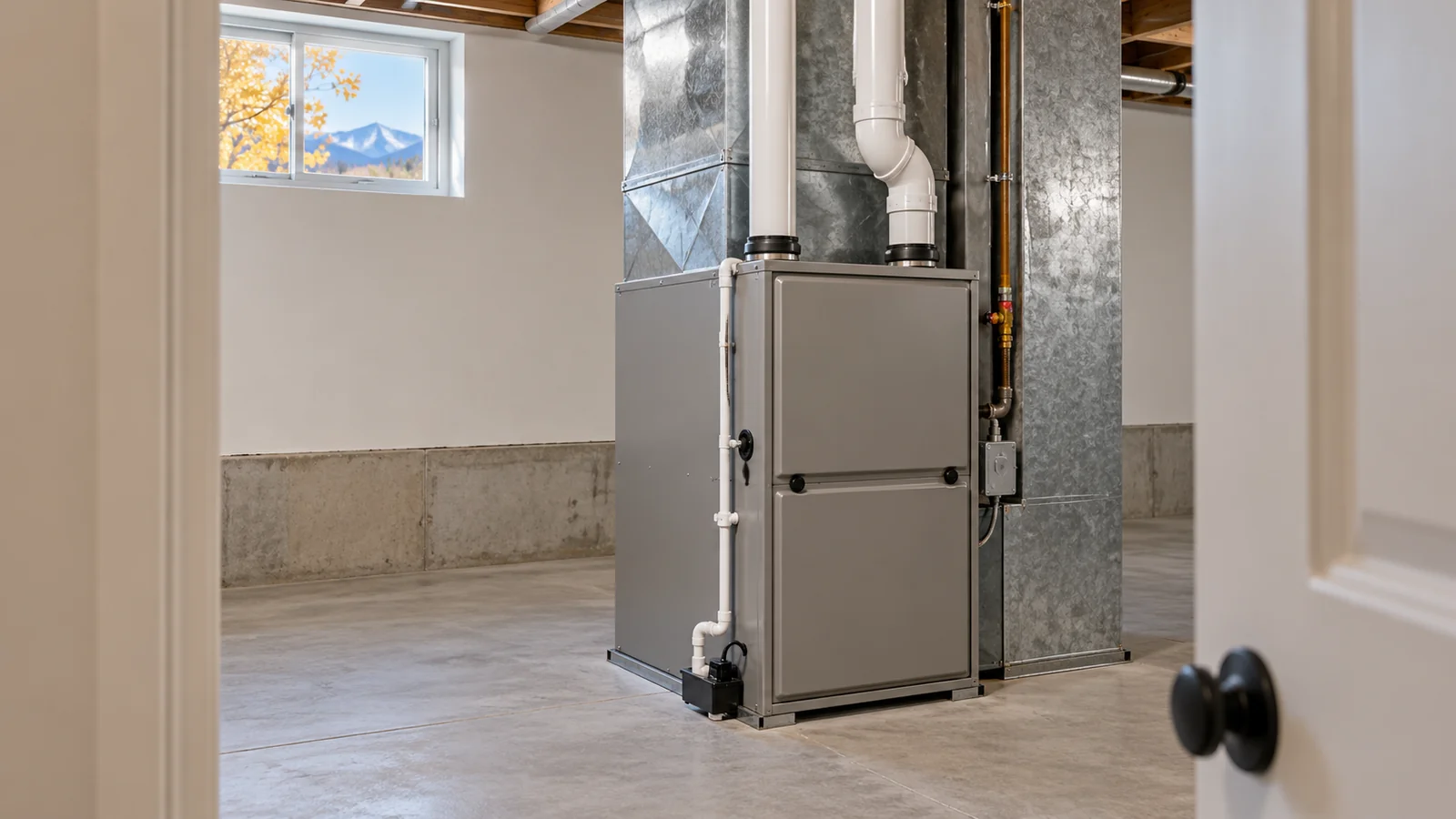
Furnace Smells Like Burning in Colorado: What Should You Do?
Learn when a Colorado furnace's startup odor may be dust, when to stop using the system, and which gas, smoke, or CO warnings mean leave and call for help.
A light dusty odor can occur when a furnace first heats up after months of little use. An unidentified, persistent, or worsening burning smell is not something to dismiss as normal fall startup. If you smell gas, see smoke, suspect a fire, or hear a CO alarm, leave and call for emergency help from a safe location. Do not stay inside trying to prove which furnace part is responsible.
October brings a practical question for Northern Front Range homeowners: is that unfamiliar smell just the first heating cycle, or does the system need attention? The answer depends on the warning signs and circumstances, not the calendar alone. This guide separates emergency response from the information that can help a later service visit.
When should you leave instead of checking the furnace?
Treat a suspected gas leak, smoke, fire, or a sounding carbon monoxide alarm as an emergency, not a routine heating appointment. FDNY Smart's emergency guidance identifies fire, smoke, gas odors, and medical emergencies as reasons to call 911 promptly.
For a gas or sulfur-like smell, Trane's gas-safety instructions say to leave, move away from the home, and contact the gas supplier. Do not operate lights, the thermostat, a garage-door opener, or other switches. Do not use a phone inside, light an appliance, or search for the leak. Call your gas utility from safely away, or 911 for an emergency. Follow the responders' instructions before returning.
For a CO alarm, CPSC says to get outside immediately, call emergency services, and not reenter until responders give permission. If you suspect CO exposure or feel ill, get outside and seek emergency medical help even if no alarm has sounded. Do not use an online checklist to rule it out.
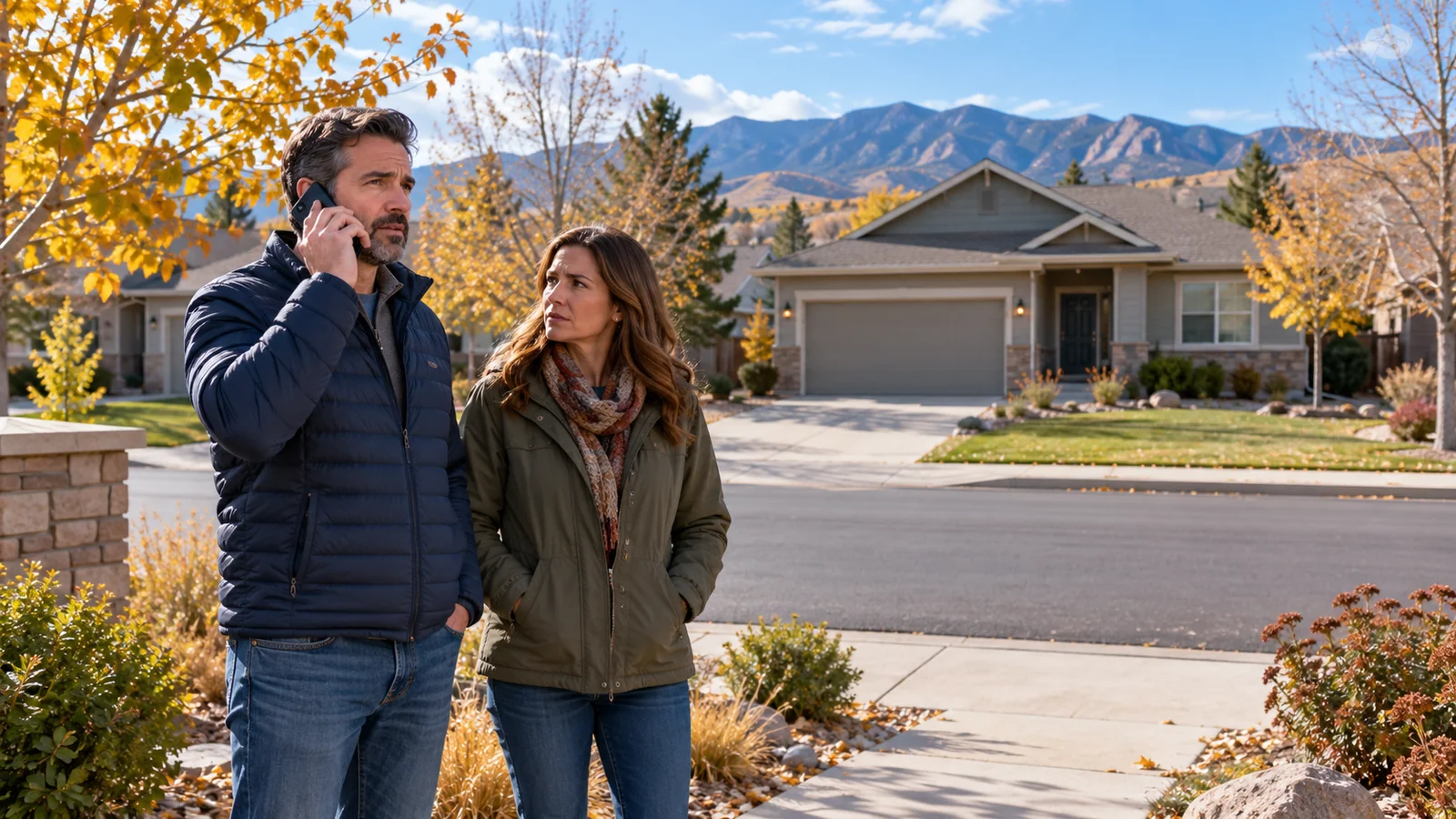
Leave first and make the call from a safe location away from the building. This original illustration is not a real customer incident or a rule about a particular safe distance.
Why can the first heating cycle have a dusty smell?
Carrier explains that dust accumulating during the off-season can produce an odor when furnace components heat up. That can be temporary. It does not explain every burning smell, especially one that grows stronger or returns repeatedly.
The useful distinction is possible seasonal dust versus an unresolved warning, not "October means it is safe." A furnace that has already been heating regularly should not have every new odor labeled first-startup dust.
Do not run repeated test cycles to see whether a concerning smell disappears. If you cannot confidently distinguish a mild startup odor from a possible hazard, stop the experiment and ask for help. Smoke, gas, or a suspected fire takes you back to the emergency instructions above.
What do different odor descriptions tell you?
Descriptions help communicate a concern; they cannot identify a failed component or certify safe operation. Carrier distinguishes dusty startup odors from potentially serious plastic, electrical, and fuel-related smells.
| What you notice | What not to assume | Appropriate next step |
|---|---|---|
| Gas, sulfur, or rotten-egg-like odor | That it is harmless because it seems faint or the furnace still heats | Leave without operating switches; call the gas utility or emergency services from a safe location |
| Smoke, flames, or a CO alarm | That a service appointment is the first response | Get outside and call 911; follow responders' instructions |
| Burning plastic or electrical-type odor | That every new-furnace smell is normal | Stop using suspect equipment and arrange qualified help; if fire is suspected, leave and call 911 |
| Light dusty odor at first seasonal startup | That timing alone proves dust is the source | Seek advice if uncertain, if it does not clear, or if it returns or worsens |
For a non-emergency concern involving the heating system, contact a qualified HVAC provider before running the suspect equipment again. Do not approach hot, smoking, sparking, or otherwise hazardous equipment to turn it off. A suspected gas leak is different: leave without touching controls.
Does a CO problem have a smell?
No. Carbon monoxide is odorless. A burning odor and CO are different observations, and the absence of an odor is not evidence that fuel-burning equipment is operating safely.
CPSC recommends professional inspection and servicing of heating equipment and properly installed CO alarms. Follow the alarm manufacturer's placement, testing, and replacement instructions. A quiet alarm does not diagnose a furnace problem or make a suspicious odor safe to ignore.
Likewise, do not use a CO alarm as a natural-gas leak detector unless its documentation specifically identifies that separate capability. USI's alarm FAQ distinguishes CO detection from explosive-gas detection. Know what the installed device is designed to detect rather than assuming one alarm covers every hazard.
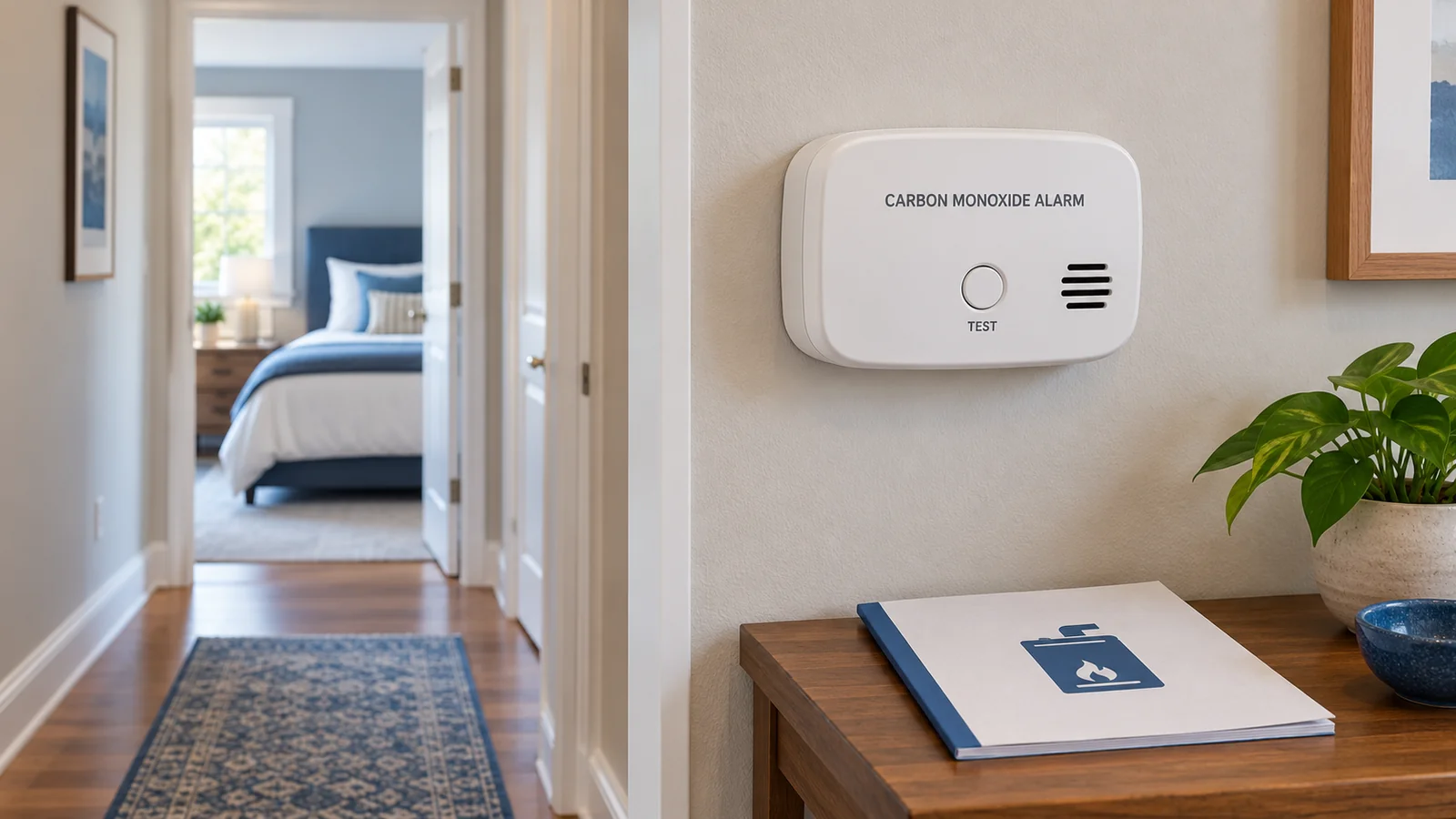
CO cannot be identified by smell. This illustration is not an alarm-placement specification or an indication that the home has been tested. Alarms and equipment servicing serve different purposes.
What information helps after the area is safe?
Once there is no active emergency and it is safe to discuss service, describe what you already noticed. Do not reenter, restart the furnace, or recreate a smell just to collect a better record.
For a home in Longmont, Boulder, Loveland, or Fort Collins, the office can use a short account like this:
- When it happened: first use this season, every heating cycle, or a new change after normal operation.
- Where you noticed it: a room, a register, or the mechanical area, without searching for the source.
- What else occurred: smoke, an alarm, unusual sound, interrupted heating, or a loss of temperature. Say whether emergency responders have already been involved.
- What changed recently: installation, repair, filter replacement, painting, renovation, or nearby storage.
These details organize a conversation. They are not proof that a filter, duct, motor, or heat exchanger caused the odor. There is no need to invent a technical diagnosis when booking.
If the furnace is also shutting down repeatedly, mention that history. Our furnace short-cycling guide explains that separate operating symptom, but its routine checks do not override emergency precautions.
What should a professional inspection explain?
Ask the provider to connect the finding to the complaint: what was observed, which checks were appropriate, what corrective work is proposed, and what must happen before the equipment is used again. A statement that the furnace is old does not identify the source of a smell.
The scope can differ between a diagnostic visit and preventive maintenance. When you book, say that an odor prompted the call. Do not assume a standard tune-up includes every investigation or repair; our Colorado furnace tune-up guide explains questions to ask about the purchased scope.
Leave cabinet removal, electrical work, combustion adjustments, gas piping, and safety controls to qualified personnel. Do not spray cleaners or fragrances into the equipment or ducts to mask the complaint. Removing an odor is not the same as correcting its source.
Questions about furnace odors in Colorado
Is there a number of minutes that proves a startup smell is safe?
No. A timer cannot establish the source. Do not wait through a possible gas leak, smoke, suspected fire, alarm, or worsening odor because an online article gave a startup duration.
What if the furnace was just installed?
Tell the installer what you noticed and follow up before continuing to use suspect equipment. New equipment is not a reason to dismiss a plastic or electrical smell. Emergency warning signs still require emergency action, not waiting for the installer to return a message.
Will changing the filter definitely solve it?
No. Follow normal filter-maintenance instructions when there is no hazard, but do not treat a filter change as clearance to restart equipment after a concerning odor. Have the actual complaint evaluated.
Get the right kind of help
The first decision is whether the situation needs emergency responders or a heating-service assessment. Do not let a possible first-startup explanation delay an emergency call, and do not repeatedly restart a suspect system hoping the smell will disappear.
For a non-emergency concern, or qualified follow-up after responders have made the area safe, Peak Comfort provides furnace repair and heating service across Colorado's Northern Front Range. Request an odor-related heating assessment and describe the original event. Our contact form is not a substitute for 911 or a gas utility's emergency line.
All three images are original generated illustrations. They do not depict a verified customer property, emergency, inspection result, or installation specification.
About the Author
Morgan Shaffer
Co-Owner and HVAC Specialist, Peak Comfort
Morgan specializes in high-efficiency systems, heat pumps, and field-proven HVAC solutions for Front Range weather.
References
APA style citations for sources used in this article.
- Baugh, T. (n.d.). Burning smell in house? Discover how to get rid of it. Carrier. Source
- Fonda, A. (n.d.). Why does my furnace smell like burning? Trane. Source
- U.S. Consumer Product Safety Commission. (n.d.). Carbon monoxide fact sheet. Source
- FDNY Foundation. (n.d.). Call 911 in case of fire, smoke, odor of gas or medical emergency. FDNY Smart. Source
- Universal Security Instruments. (2025, August 6). Carbon monoxide alarm FAQ's. Source